Table of contents
Overtourism is forcing destinations, and travellers, to rethink what “a place worth going” even means. From Venice’s entry fee to the backlash against short-term rentals in parts of Spain, the question is no longer only where to go, but how to go, and what kind of impact a visit leaves behind. In that context, remote villages, often dismissed as “too far” or “too quiet”, are quietly shaping a new definition of travel: slower, more local, and, when managed well, economically meaningful for residents.
Less spectacle, more daily life
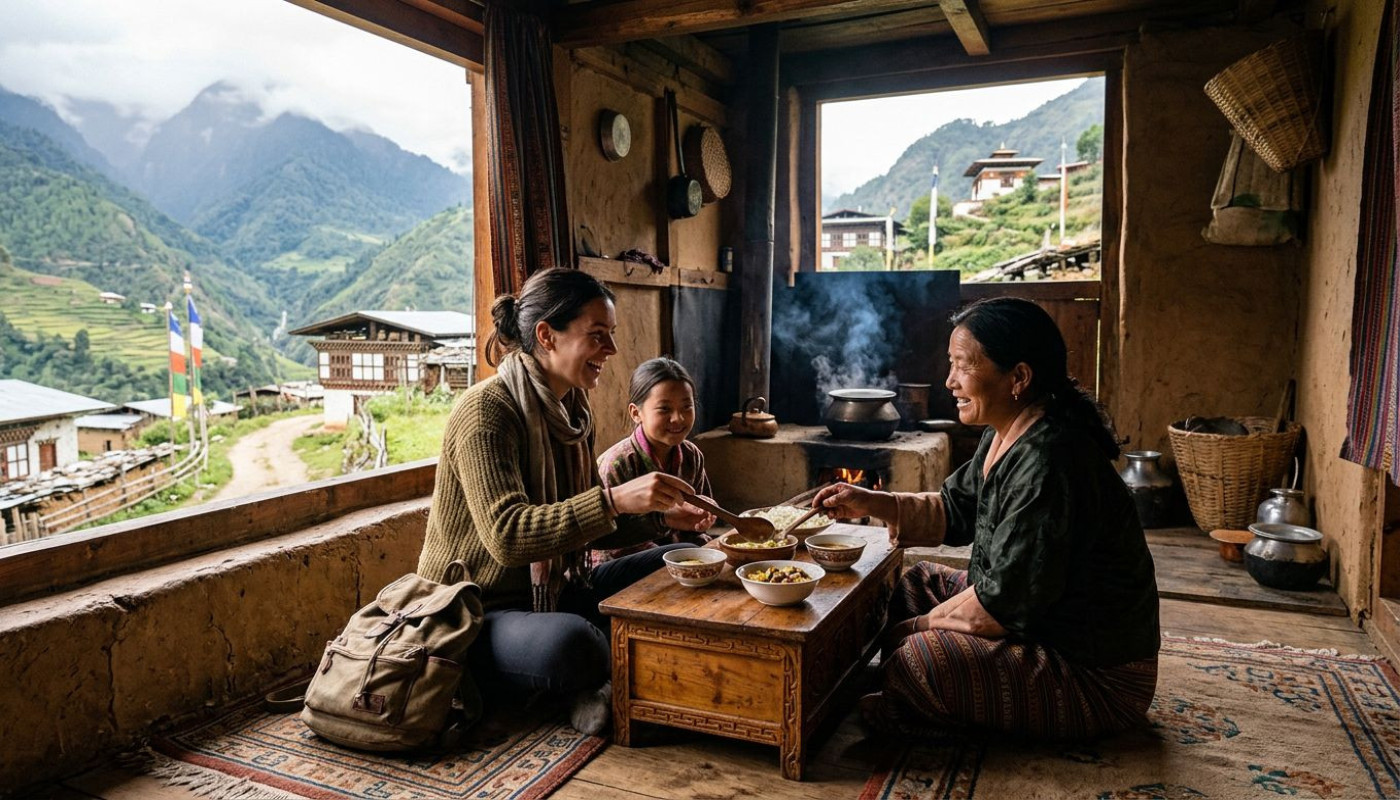
What if the best part is not an attraction? In remote villages, the draw is rarely a single monument or a famous museum; instead, it is the ordinary rhythm of a place, the morning deliveries, the small harbour at low tide, the farmers’ market where prices are still written by hand, and the conversations that stretch longer because there is no queue of visitors behind you. This is not nostalgia packaged for tourists, it is the reality of communities that have not been rebuilt around mass footfall, and that difference matters because it changes the visitor’s role from consumer to temporary neighbour.
Data helps explain why this shift is happening. The UN World Tourism Organization has repeatedly pointed to the rapid rebound of international tourism after the pandemic shock, with global arrivals returning to pre-2019 levels around 2024, and that resurgence has intensified crowding in the same iconic hotspots. At the same time, surveys by major travel platforms and consultancies have shown a sustained rise in demand for “authentic experiences” and nature-based trips, and while the term is often abused in marketing, the behavioural signals are real: longer stays outside peak seasons, greater interest in regional food and crafts, and more travellers building itineraries around local life rather than checklists. Remote villages naturally fit that appetite because they are not built for constant throughput, and the lack of spectacle becomes a feature, not a bug.
The redefinition is also cultural. Social media once rewarded the most recognisable landmark photo, yet audiences increasingly respond to the opposite: the uncaptioned road, the quiet café, the unfamiliar bus route, and the sense of discovery that cannot be replicated by repeating the same shots. In practical terms, villages benefit when visitors arrive for texture rather than trophies, because it can distribute spending across small businesses, and reduce pressure to build oversized infrastructure that residents never asked for. The paradox is that remoteness, long considered a barrier, becomes a competitive advantage in a crowded attention economy, and it pushes travellers to evaluate a destination by how it feels, not just how it looks.
Small economies, big stakes
Money arrives quietly, then changes everything. For remote villages, tourism is rarely about headline numbers, it is about whether a bakery can stay open year-round, whether a young family can afford to remain, and whether a community centre has enough funding to run classes in winter. When visitors choose a village over a saturated city centre, the economic impact can be disproportionately significant, because local multipliers tend to be higher where ownership is local, supply chains are short, and spending goes directly to residents rather than to international brands.
Across Europe and parts of Asia, rural depopulation is a measurable trend, and in many regions it has been persistent for decades. National statistics offices repeatedly show the same pattern: younger residents move toward larger cities for education and work, while smaller municipalities age quickly. Tourism, if it is stable and not purely seasonal, can become one of the few levers that creates service jobs, supports micro-entrepreneurship, and makes public transport more defensible. One additional guesthouse, one more restaurant shift, a few guided outings per week, and suddenly a village’s economic base looks less fragile, and the municipality can argue for keeping essential services.
Yet the stakes are big precisely because the margins are thin. Remote places have fewer buffers against price shocks, staffing shortages, or supply disruptions, and they can be more vulnerable to a boom-bust cycle driven by trends. The most successful village destinations tend to do a few things consistently: they set clear limits on capacity, they prioritise local ownership, they regulate short-term rentals before housing costs spiral, and they build tourism around what the village already is, not what visitors expect it to imitate. That approach may sound modest, but it is often the difference between a sustainable supplementary economy, and a sudden influx that overwhelms waste systems, roads, and community trust.
There is also a distribution question that is easy to miss. In major cities, tourists can spend heavily without ever interacting with residents, because the visitor economy is physically separated, and the labour force is large. In a village, the same visitor spending is more intimate: the person serving you might also be on the school committee, and the host might also be the volunteer firefighter. That closeness can be a strength, creating accountability and genuine hospitality, but it means economic decisions are social decisions, and villagers are right to be cautious. Remote destinations redefine travel partly because they expose the true cost of a trip, and they force travellers to see the human system that tourism enters.
Getting there becomes part of the trip
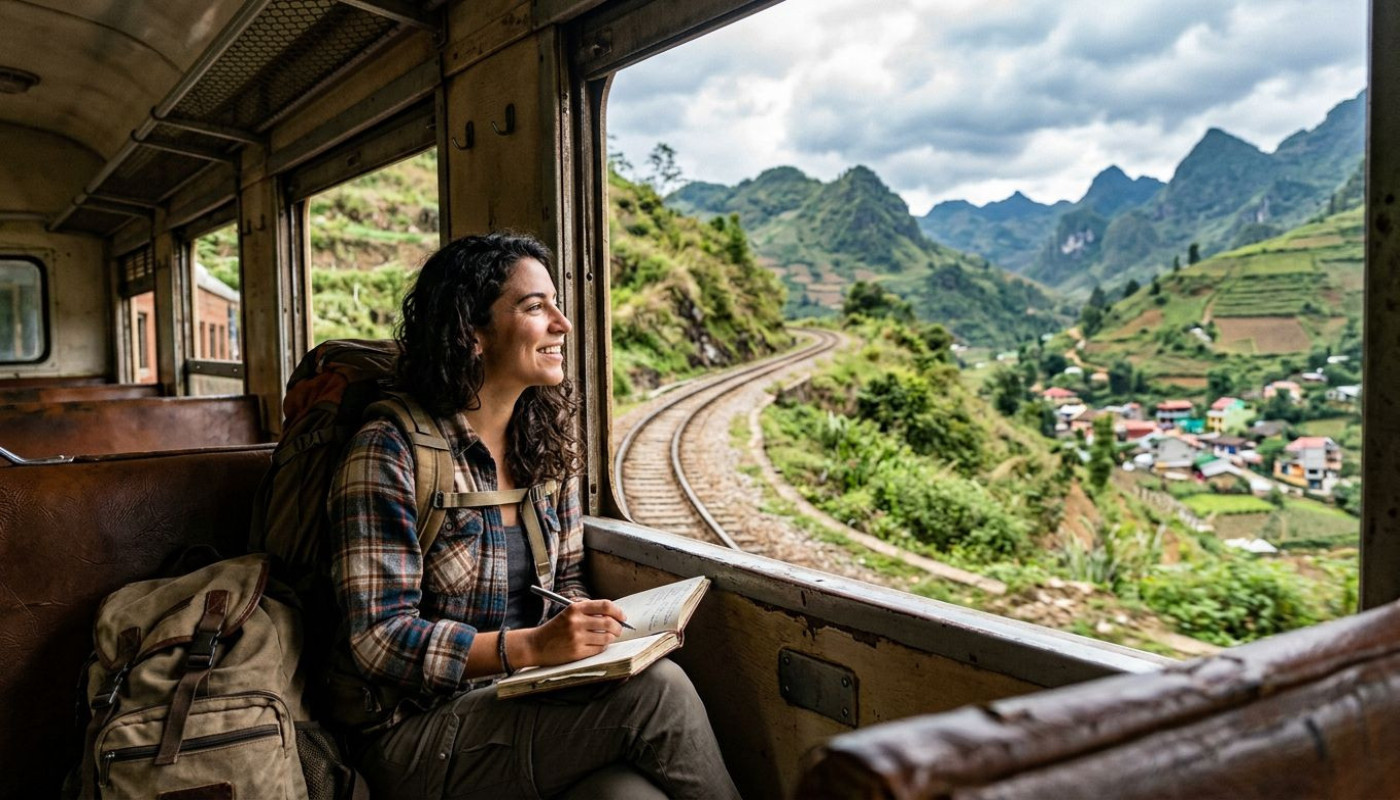
Distance is no longer dead time. Remote villages often require a sequence of choices, a regional train, a bus that runs a handful of times per day, a ferry, or a final stretch by car, and that logistical effort changes behaviour. Travellers plan more carefully, stay longer to justify the journey, and tend to seek deeper experiences instead of rushing through. This is the opposite of the low-friction weekend break, and it aligns with a broader push, from policymakers and operators, to encourage “slow travel” that reduces pressure on peak nodes and spreads demand more evenly across regions.
The climate dimension is unavoidable. Aviation remains a significant contributor to tourism’s emissions profile, and although exact shares vary by methodology, transport is widely cited as the largest component of tourism-related greenhouse-gas emissions. As awareness rises, some travellers are choosing rail-based itineraries when possible, and destinations that integrate public transport well can benefit. Remote does not have to mean car-dependent; in fact, villages connected to reliable rail lines, regional buses, and walkable centres can offer a lower-impact experience than sprawling resort developments. The trip itself becomes a narrative, not a hurdle, and that narrative increasingly matters to visitors who want their choices to align with their values.
Technology is helping, too, in ways that are less glamorous than influencer content. Digital ticketing, real-time transit updates, and mapping tools make multi-leg journeys less intimidating, and remote work has quietly changed the timetable of tourism. A traveller who can work a few hours a day is more likely to spend ten days in a smaller place, supporting cafés and rentals outside the classic holiday week. The growth of this pattern is visible in the way many destinations now market “workations”, and while the term can be cringe, the underlying behaviour is real: longer stays, fewer transfers, and more spending in grocery stores rather than only in sightseeing districts.
This is where planning becomes essential. A village cannot suddenly handle a surge without coordination, and the travel industry has a role in setting expectations, highlighting transport options, and nudging visitors toward responsible behaviour. If you are building an itinerary that includes lesser-known places, using region-focused resources can help you understand what is realistically doable, what needs advance booking, and what is better avoided during local festivals or high-demand weekends. For travellers considering a less crowded alternative in East Asia, for example, https://www.incheon-trip.com/ can be a practical starting point for exploring routes, neighbourhoods, and day-trip possibilities that move beyond the standard “must-see” circuit.
When authenticity meets pressure
Popularity is flattering, until it breaks trust. Remote villages can redefine travel, but they can also become victims of their own appeal if visitors arrive faster than local systems can adapt. The warning signs are familiar: a spike in short-term rentals, residents priced out of long-term housing, noise complaints, strained water and waste services, and a local economy that shifts from serving residents to serving outsiders. In a small community, those changes are not abstract, they are felt in school enrolment, in whether neighbours recognise each other, and in how safe people feel walking through their own streets at night.
Evidence from overtourism debates in major destinations offers a clear lesson for villages: waiting too long to manage demand is costly. Once housing costs rise and local shops disappear, the character that drew visitors in the first place becomes difficult to recover. Remote villages, however, also have an opportunity that large cities often lack, they can set norms early. That can mean capping accommodation growth, requiring permits for holiday lets, introducing visitor contributions earmarked for infrastructure, and enforcing codes of conduct for sensitive natural areas. These measures can be controversial, but they are easier to implement before the market overheats, and they are more credible when residents see transparent reinvestment.
There is a second, subtler pressure: the commodification of culture. When visitors arrive seeking “authenticity”, local traditions can be repackaged into performances, and artisans can feel pushed to produce souvenirs instead of meaningful work. The healthier model is one where visitors are invited into existing practices on local terms, with clear boundaries and fair pay, and where the community retains control over what is shared. Some villages have begun using cooperative structures for tours and craft sales, ensuring profits stay local and standards remain consistent. Others work with regional authorities to protect intangible heritage, so that tourism supports continuity rather than substitution.
Ultimately, remote villages redefine travel destinations by insisting on a different metric of value. It is not about how many sights you can tick off, it is about whether a place can remain itself while welcoming outsiders, and whether a traveller can leave with more than photos: a sense of connection, and a better understanding of the trade-offs behind every trip. The future of tourism may not belong only to the next megaproject or the newest “it” city, it may belong to smaller places that decide, carefully and collectively, what kind of visitor they want, and what kind of story they are willing to tell.
Before you go: plan, budget, and book
Remote villages reward preparation, so book transport and lodging early, especially on weekends and during local festivals, and budget for fewer services on site, including limited ATMs and reduced restaurant hours. Check whether regional passes or rail discounts apply, and look up local rules for nature areas. If you can, travel off-peak; you will spend less, and you will help smooth demand.
Similar

How Seasonal Quirks Redefine Your Bucket List Activities

Is Spontaneity The Secret Ingredient Missing From Most Travel Advice?
How Changing One Stop Can Transform Your Whole Travel Route
Exploring Hidden Gems: What Seasoned Nomads Won’t Tell You
